
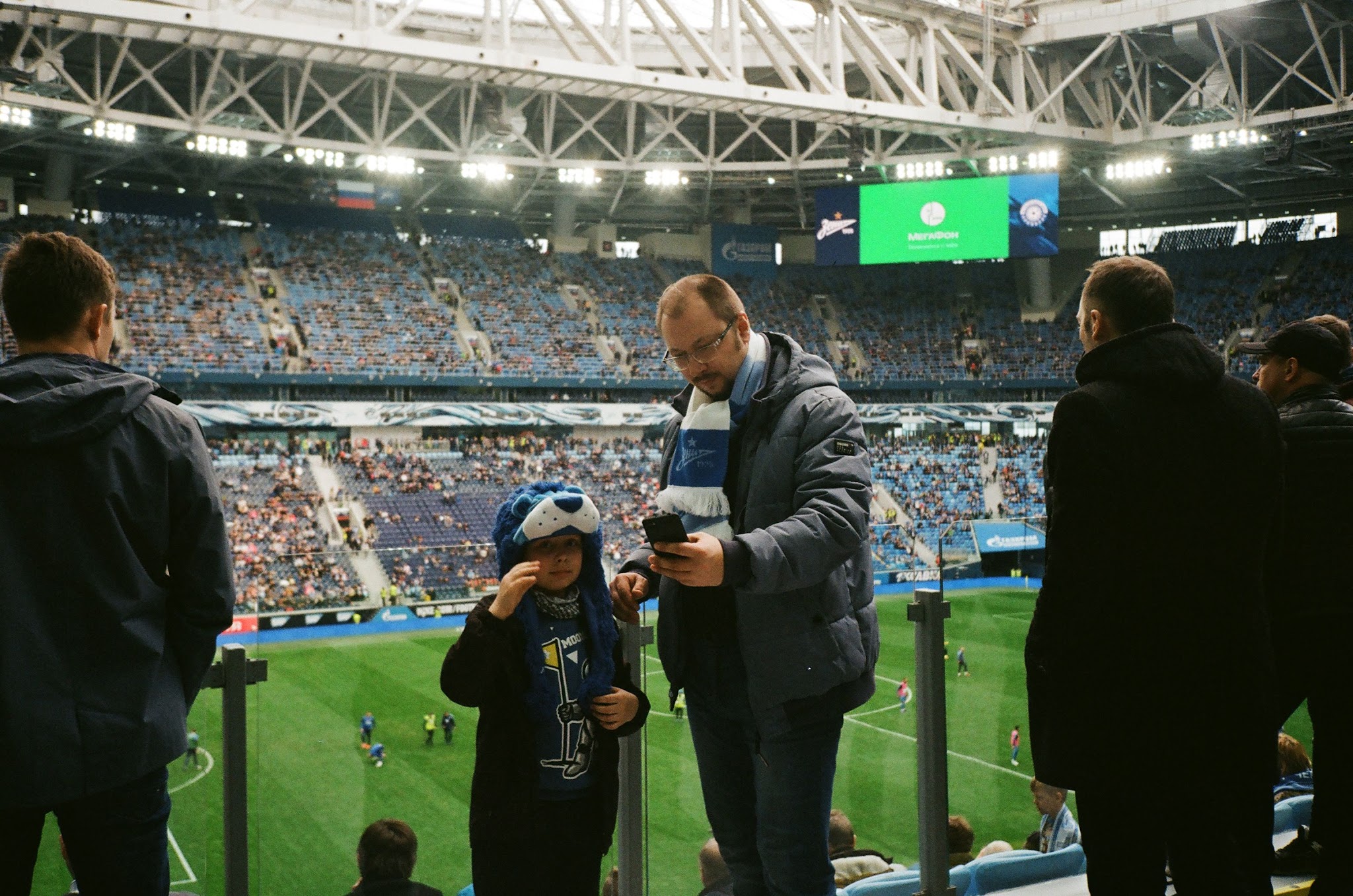
Football fandom used to live almost entirely inside a stadium or a living room on a Sunday afternoon, built around a single kickoff time and a handful of local sports pages the next morning. That has changed. Fans now spend as much time checking live scores on a phone, arguing in a group chat, or refreshing a stats page as they do watching an actual game. The screen has quietly become as central to being a fan as the field itself, and the habits that come with it now shape how people spend their free time far beyond kickoff and the final whistle, long after the scoreboard goes dark.
That shift is not limited to football, or even to sports in general. The same phone used to check standings a few minutes later gets used for something else entirely: a group chat about weekend plans, a streaming app queued up for the evening, or a live video service built around one on one conversation with someone new. None of these have much to do with a football schedule, yet they all draw on the same basic instinct, filling a short stretch of downtime with something happening in real time on a screen. One example is this website, a video chat platform that connects two people for a real time conversation, and it says less about any single hobby than about how normal it has become to fill spare minutes with some form of live digital contact.
Photo by Darya Sannikova on Pexels
Fantasy Leagues Turned Fans Into Daily Participants
Fantasy football is a useful case study in how deep this habit runs. Instead of watching one team on a single afternoon, a fantasy player checks snap counts, injury reports, and waiver wire news throughout the week for players scattered across a dozen different rosters, often several times a day without really thinking of it as a chore. For newcomers trying to make sense of it, a beginner's guide to UFL fantasy football lays out how scoring, drafts, and weekly lineups actually work, and why the format has become such an effective way to keep fans engaged between games rather than just during them.
What used to be a one day a week commitment is now a running, near constant check in that follows a person from the kitchen table to the office to the couch. Draft night alone can involve hours of research, trades get negotiated in group chats at all hours, and lineup decisions are revisited right up until kickoff. None of that requires a stadium seat. It only requires a phone and a few free minutes, which is exactly the pattern showing up across so many other corners of digital life, well outside of anything to do with sports.
Fan Culture Has Moved Online Without Leaving the Stands
Local fan culture has not disappeared, it has simply picked up a digital layer. UFL fandom taking root in New Jersey is a good example of how that plays out in practice: tailgates and watch parties still happen, but so do group threads, highlight clips shared within minutes of a big play, and running commentary that continues long after the stadium lights go out. This publication has followed that pattern closely, and it tracks with what shows up across sports more broadly, in person moments now come with a digital afterlife that often outlasts the event itself.
That digital afterlife is where a lot of modern fandom actually lives now. A game lasts a few hours, but the group chat reacting to it, the clips being replayed, and the arguments over a missed call can stretch on for days, sometimes outlasting the memory of the play that started it all. The event itself has become almost a starting point for a much longer online conversation, rather than the whole of it.
Screen Habits Rarely Stay in One Lane
Once someone gets comfortable filling spare time with a fantasy app or a highlight thread, that same habit tends to spread into other parts of daily life. People who are used to checking a phone every few minutes for sports updates are often just as quick to open a messaging app, a streaming service, or a live chat platform when there is a lull in the day. The tools differ from one another, but the underlying behavior, reaching for a screen to fill a short window of downtime, is largely the same across all of them.
This pattern is worth naming plainly rather than treating it as either good or bad on its own. Screen based habits are not uniquely a sports problem, and they are not uniquely anyone else's either. They are simply how a lot of people, fans included, now spend the small gaps in an otherwise busy day, whether that gap falls during a commercial break or later in the evening.
Keeping the Habit in Perspective
None of this means fans need to unplug, or that checking a phone during a game is a problem worth worrying about. The shift toward screen based engagement has made it easier to follow a team closely, connect with other fans, and stay informed in ways that simply were not possible a generation ago, when a missed broadcast often meant waiting for the next morning's paper to find out what happened. The more useful question is not whether these habits exist, since they clearly do, but whether they stay balanced against everything else competing for the same attention: work, sleep, and time with people in the same room.
Fandom will keep finding new digital outlets, and that is not something worth resisting on principle. What matters more is staying aware of how those outlets fit into the rest of a day, checking in on the balance every so often rather than assuming it will sort itself out, so that following a team, or anything else on a screen, stays a part of life rather than the whole of it.