
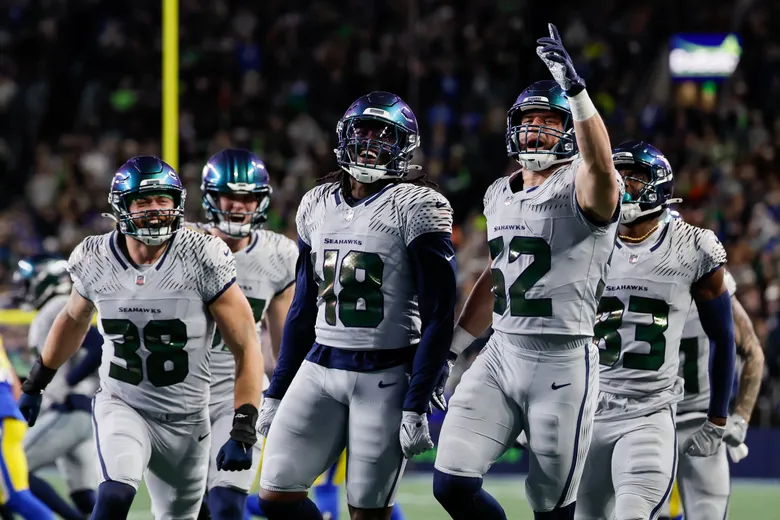
The modern football landscape is evolving quickly, and one of the most notable recent developments is the formation of the United Football League (UFL). Created through the merger of the XFL and USFL ecosystems, the league represents a renewed attempt to build a stable, sustainable spring football competition in the United States. It also serves a much larger purpose than simply filling the NFL offseason—it is becoming a structured developmental pipeline for players aiming to reach or return to the NFL.
For fans following alternative football leagues, even casual conversations around emerging teams and players often overlap with broader sports ecosystems, including platforms like DraftKings, where you can bet online and see discussions about odds, performance, and emerging talent are frequently mentioned about developmental leagues like the UFL.
Why the UFL Was Created
The UFL emerged from a clear gap in professional football: the lack of a long-term, stable spring league that could complement the NFL rather than compete with it. Previous attempts at alternative leagues often struggled due to financial instability, inconsistent branding, or lack of player development focus. By merging the XFL and USFL under one umbrella, stakeholders aimed to consolidate resources, talent pools, and broadcasting deals into a single, more viable product.
The result is a league that operates with clearer structure, centralized leadership, and a stronger emphasis on continuity. Instead of fragmented spring football seasons, the UFL provides a unified platform that can sustain fan interest and, more importantly, player development over time.
A True Development League for NFL Aspirants
One of the most important aspects of the UFL is its role as a bridge between college football and the NFL. While the NFL remains the pinnacle of the sport, roster spots are limited, and thousands of talented players are left on the margins each year after the draft and preseason cuts.
The UFL gives these players a second chance.
Many athletes in the league are:
Former NFL practice squad players
Late-round draft picks who didn’t stick
Standout college athletes who went undrafted
Veterans attempting a career revival
By providing a competitive professional environment, the league allows players to showcase improvements, refine skills, and produce fresh game film against legitimate competition.
For NFL scouts, this is invaluable. Instead of evaluating players based on preseason snaps or college tape alone, they can assess performance in a professional, structured setting with real game pressure.
How the UFL Connects to NFL Rosters
The pathway from the UFL to the NFL is becoming more defined each season. NFL teams increasingly view the league as an extended scouting ground. Standout performers in spring football can earn tryouts, training camp invitations, or even full roster spots heading into the NFL season.
This creates a system that benefits both sides:
Players get meaningful reps and visibility
NFL teams gain access to more developed talent pools
Some positions, in particular, have seen strong crossover success. Quarterbacks looking for refinement, offensive linemen needing technique development, and defensive backs aiming to prove consistency often find the UFL a valuable proving ground.
Unlike short-lived developmental leagues of the past, the UFL’s structure gives players enough time to adjust, improve, and build momentum across a full season.
Coaching, Systems, and Professional Environment
Another key factor in the UFL’s legitimacy is the coaching and operational structure. Many coaches in the league have NFL or high-level college experience, meaning players are exposed to professional-level systems, terminology, and expectations.
This is crucial for NFL readiness. Transitioning from college schemes to pro systems is often one of the biggest hurdles for young athletes. The UFL helps bridge that gap by running simplified but professional playbooks and emphasizing fundamentals that translate directly to the NFL.
Players also benefit from consistent game scheduling, film review processes, and training environments that mirror NFL standards more closely than previous developmental leagues.
Visibility and Media Exposure
In today’s sports ecosystem, visibility is almost as important as performance. The UFL benefits from modern broadcast partnerships and digital streaming access, giving players a platform to showcase their abilities to a wider audience.
Games are regularly televised and streamed, allowing NFL scouts, analysts, and fans to track emerging talent in real time. This exposure helps elevate standout performers quickly, especially those who might otherwise be overlooked.
For players, every snap becomes an audition—not just for their current team, but for the entire league above them.
Challenges the UFL Still Faces
Despite its promise, the UFL is still in a growth phase. Sustaining long-term fan engagement outside of NFL season remains a challenge, as does competing for attention in a crowded sports media environment.
There is also the question of roster turnover. Because the league functions as a stepping stone, top performers are often quickly signed by NFL teams, which can disrupt team continuity. However, this is also part of its identity—it is designed to be a feeder system, not a closed ecosystem.
Financial stability, expansion decisions, and long-term branding will determine how effective the league becomes over the next decade.
The Bigger Picture: A New Football Ecosystem
The formation of the UFL signals a broader shift in professional football. Rather than existing as isolated leagues, there is now a more connected ecosystem where talent can flow more naturally between levels.
The NFL remains the peak, but the UFL is carving out a meaningful role as the most credible stepping stone available today. For players, it offers an opportunity. For teams, it offers scouting depth. For fans, it offers year-round football.
As the league continues to develop, its impact on NFL roster construction could grow significantly, especially if it continues producing players who can step into professional roles and contribute immediately.
The United Football League represents more than just another spring football experiment—it is an evolving pathway for athletes striving to reach or return to the NFL. By combining structure, visibility, and professional-level competition, it creates a legitimate bridge between college football and the sport’s highest level.
If it continues on its current trajectory, the UFL could become an essential part of the football ecosystem, shaping how talent is discovered, developed, and ultimately elevated to the NFL stage.