
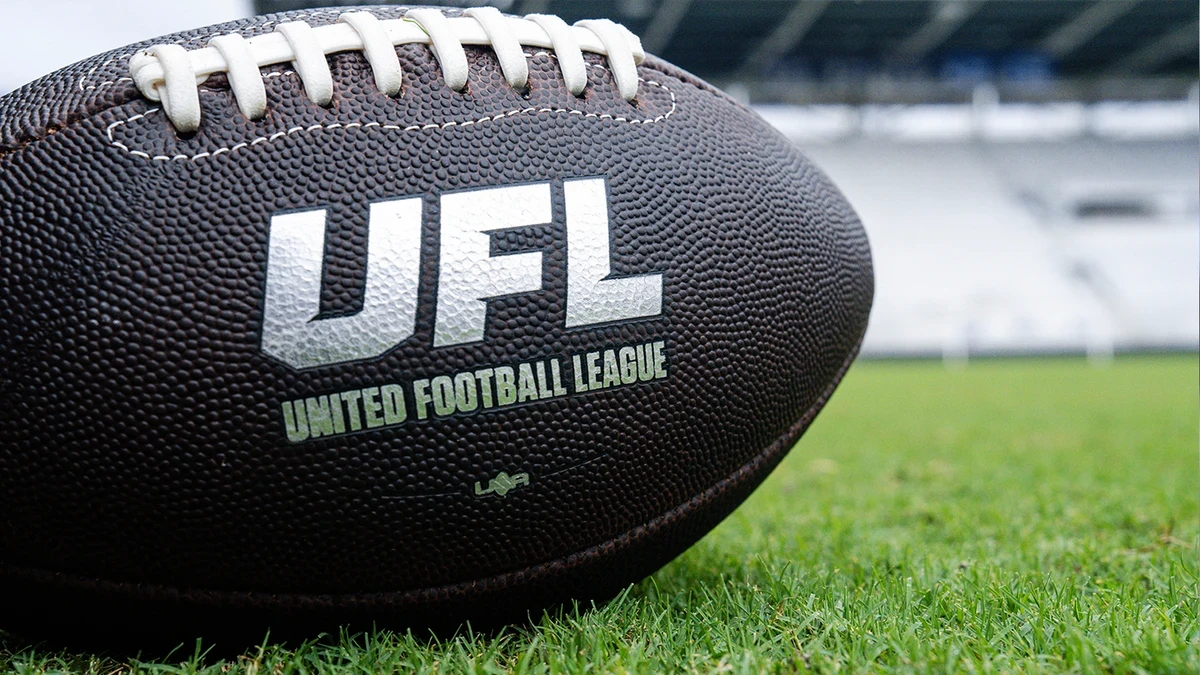
Spring football carries a different weight in the betting world. Betting on the UFL operates under conditions that differ from the NFL, with fewer games, smaller rosters, and rules that would look foreign on a traditional Sunday football field. Bettors who treat it like a minor league version of the NFL often lose money before the season ends. The 10-game schedule creates pricing gaps that reward preparation, but those same gaps can trap bettors who rely on habits built around NFL markets.
The 2026 season opened with Birmingham Stallions listed at +340 to win the championship according to DraftKings Sportsbook as of March 9. D.C. Defenders sit close behind at +370, returning quarterback Jordan Ta'amu and running backs Deon Jackson and Abram Smith under the same coaching staff that won last year. Dallas Renegades trail at +475, with Orlando Storm at +550 and St. Louis Battlehawks at +650. Louisville Kings and Houston Gamblers round out the board at +1200 and +1500 respectively.
The Rules Change Everything
UFL football allows a four-point field goal on any kick of 60 yards or longer. This affects late-game spreads in ways NFL bettors may not anticipate. A team down by 10 points with 3 minutes left has a different path to the backdoor cover when a long field goal closes the gap by 4 instead of 3.
Punting rules add another layer. Teams cannot punt from inside the 50-yard line until after the two-minute warning. Offenses must go for it on fourth down more frequently, which increases variance in total points and possession counts. The conversion system differs too. Teams can attempt a one-point kick from 33 yards, a two-point conversion from the 2-yard line, or a three-point conversion from the 8-yard line. The tush push has been banned entirely.
Overtime uses a shootout format that can swing against-the-spread results in unexpected directions. A game tied at regulation could see final margins of 2 or 3 points depending on conversion success rates, not field position or clock management.
Reducing Exposure on UFL Wagers
The UFL's softer betting markets come with tradeoffs that favor caution over volume. Lower limits and wider margins mean sportsbooks keep more of your money on each bet, so finding value through promotional offers becomes a practical step. Some bettors use signup bonuses from books like DraftKings or FanDuel, while others look for the best sportsbook promos for Canadian players to offset the tighter profit margins common in spring football betting markets.
Stacking small advantages matters more here than in NFL betting. A free bet on Birmingham at +340 or D.C. at +370 carries less risk than laying cash outright. Combining promotional credits with selective line shopping helps account for the UFL's lower liquidity and fewer pricing inefficiencies across books.
Why NFL Habits Fail Here
NFL betting markets operate with high liquidity and tight lines. Books have decades of data on team tendencies, injury impacts, and coaching patterns. The UFL lacks that depth. Ten games per season means fewer data points per team, and small-sample effects can push records in directions that misrepresent actual team quality.
A team that starts 4-1 might show strong trends on paper, but 5 games reveal less than 9 weeks of NFL play. Line movement in the UFL can also behave erratically because fewer bettors participate. Sharp money moves lines quickly in the NFL; in the UFL, a single large wager can shift a spread by a full point.
Wider margins at most books eat into expected value on every ticket. Where NFL bettors might see -110 on both sides, UFL betting odds sometimes show -115 or worse. The difference compounds across a season.
Finding Mispriced Lines
UFL markets do offer opportunities. Softer lines mean oddsmakers have less confidence in their numbers. Teams with coaching continuity and returning starters, like D.C. with Ta'amu and their backfield, tend to perform closer to expectations. New rosters take time to cohere, and early-season lines often overreact to preseason projections.
Totals can be particularly soft. The no-punt rule inside the 50 increases scoring attempts, but books sometimes set totals based on traditional football pacing. Watching how specific teams handle fourth-down situations through the first 3 or 4 weeks can reveal consistent tendencies that oddsmakers may underweight.
Bankroll Considerations
Lower betting limits require adjusted unit sizes. A bettor comfortable with $500 NFL wagers may find UFL limits capped at $200 or less on certain markets. Spreading action across multiple books helps place full intended wagers, but tracking becomes more labor-intensive.
The shorter season also compresses the timeline for bankroll recovery. A bad 3-week stretch in the NFL still leaves 14 games to recover. In the UFL, 3 losing weeks might represent a third of the season. Conservative unit sizing accounts for this.
Conclusion
Successful UFL betting requires adjustments from standard NFL approaches. The rule set produces different game scripts, the market conditions demand careful value hunting, and the limited data makes early-season restraint sensible. Birmingham and D.C. enter the 2026 season with the strongest odds and roster stability, but line value and market awareness matter more than simply picking favorites. Bettors who understand how UFL betting markets work, manage their bankroll responsibly, and adapt to the league’s unique rules can find opportunities during the short spring football season.
FAQ
What makes UFL betting different from NFL betting?
UFL betting differs because the league has unique rules, fewer games, and smaller betting markets. These differences affect scoring, game strategy, and betting odds compared with traditional NFL betting.
Why do UFL rules affect betting outcomes?
Rules such as the four-point field goal and restrictions on punting inside the 50-yard line create different scoring opportunities. These changes can influence point spreads, totals, and late-game comeback possibilities.
Are UFL betting markets softer than NFL markets?
Yes. UFL betting markets typically have lower liquidity and less historical data than the NFL. This can create mispriced lines, but sportsbooks often compensate with wider margins and lower betting limits.
What betting strategies work best for the UFL?
Effective strategies include line shopping, tracking team tendencies early in the season, managing bankroll carefully, and taking advantage of promotional offers where available.
Does the shorter UFL season affect betting strategy?
Yes. With only 10 games in the regular season, bettors have less time to recover from losing streaks. Conservative bet sizing and careful selection of wagers become more important in a shorter season.