
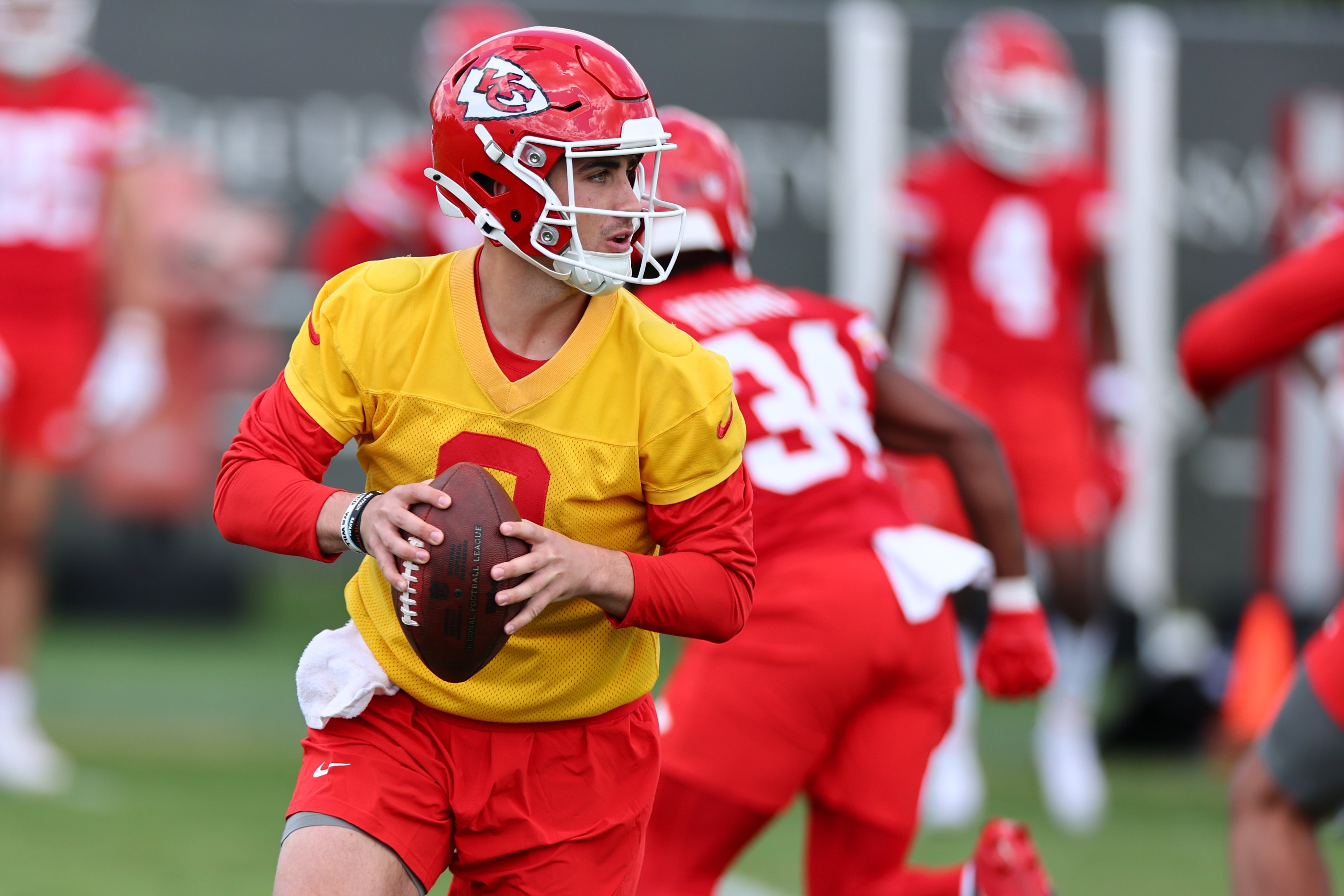
For countless college football players, reaching the NFL represents the ultimate goal. Years of training, sacrifices, early mornings, and demanding practices are built around the possibility of playing professionally. But what happens when the phone never rings on draft day, a roster opportunity disappears, or an injury brings the dream to an unexpected end?
For some athletes, the transition can be emotionally challenging. Football may have shaped their identity, friendships, daily routines, and future plans. When that structure disappears, questions about purpose, finances, and personal worth can become difficult to manage.
College football programs have an opportunity to prepare athletes for this possibility before their playing careers end. Supporting players beyond the field should be considered part of developing successful student-athletes.
The Reality Behind the NFL Dream
Reaching the NFL is an extraordinary achievement, but it is not a realistic outcome for most college football players.
The NCAA's published participation estimates indicate that approximately 1.5% of NCAA football players progress to the major professional level. The figure is based on participation and draft data for the 2022–23 academic year and the 2023 NFL Draft, so it should be understood as an estimate rather than a guarantee for any individual player. NCAA participation estimates.
Despite these odds, athletes may spend years organizing their lives around becoming professionals. Coaches, recruiters, fans, and social media can reinforce the idea that football success is measured by reaching the next level.
When that outcome does not materialize, a player may feel that years of hard work have been wasted. In reality, the discipline, teamwork, communication, and leadership developed through football can provide valuable foundations for many other careers.
The challenge is helping athletes recognize those strengths before disappointment becomes overwhelming.
The Mental Health Impact of Missing Out
Not receiving an NFL opportunity can bring disappointment, grief, anxiety, and uncertainty. For players who have devoted much of their lives to the sport, the experience may feel like losing a central part of their identity.
An NCAA student-athlete well-being survey conducted in fall 2021 found that mental exhaustion, anxiety, and depression remained elevated among college athletes compared with pre-pandemic levels. The findings covered student-athletes across sports, rather than only football players, but they underline why mental health support matters throughout college athletics.
Some athletes may withdraw from friends, struggle academically, or turn to alcohol and other substances to manage difficult emotions. Others may feel embarrassed about asking for help because they believe they should be able to handle adversity independently.
Coaches and athletic departments can help by treating mental health as part of overall player development. Regular check-ins, confidential counseling, and clear referral pathways can make it easier for athletes to discuss concerns before they escalate.
Seeking support should be viewed as a responsible decision, not a weakness or a failure to compete.
Recognizing the Risk of Substance Use
When athletes lose a clear sense of direction, substances may become a way of managing stress, loneliness, or disappointment. This does not mean every player who misses out on the NFL will develop an addiction, but it does highlight the importance of recognizing warning signs and providing support early.
Changes in behavior, declining academic performance, increasing isolation, or difficulties controlling substance use may indicate that an athlete is struggling.
Support should focus on understanding the underlying problem rather than immediately judging the person's choices. Depending on their needs, an athlete may benefit from counseling, peer support, a medical assessment, or specialist addiction treatment.
For individuals who need more intensive care, services such as alcohol and ketamine rehab may be relevant in specific clinical circumstances involving substance-related problems. Treatment should always be based on a qualified professional's assessment rather than assuming one approach is suitable for everyone.
Colleges should make it clear where students can seek confidential help and how to access care without unnecessary barriers. Early intervention can make it easier for athletes to address problems while maintaining their education, relationships, and future opportunities.
Building Career Options Before Graduation
One of the most effective ways to support athletes is to help them prepare for life beyond football while they are still playing.
Academic advisers, career counselors, and coaching staff can work together to identify interests and develop practical plans. Players should be encouraged to explore internships, professional networking, job placements, and relevant qualifications alongside their athletic commitments.
Potential career paths include:
- Sports-related roles: Coaching, scouting, athletic administration, sports media, and performance analysis.
- Business and communications: Sales, marketing, public relations, management, and entrepreneurship.
- Education and public service: Teaching, youth development, community programs, and other public-service careers.
- Technical and professional fields: Information technology, skilled trades, finance, and careers connected to a student's degree.
These options should not be presented as consolation prizes. They are legitimate opportunities that can provide financial stability, personal satisfaction, and a sense of purpose beyond competitive sport.
Creating a Culture Where Players Speak Up
Support systems work best when athletes trust the people providing them. Colleges should establish regular opportunities for players to discuss their concerns without fearing that honesty will damage their reputation or standing on the team.
Former athletes can be particularly valuable mentors. Hearing from someone who missed the NFL, changed careers, or struggled during retirement can help current players understand that there is no single definition of success.
Programs should also offer practical transition planning, financial education, resume workshops, and guidance on maintaining social connections after leaving the team environment.
Redefining Success Beyond Football
Missing out on the NFL can be painful, but it does not determine a person's future. College football can provide lessons and experiences that remain valuable long after the final game.
By combining mental health support, early addiction intervention, and realistic career planning, colleges can help athletes approach the next chapter with greater confidence.
The goal should not be to diminish the NFL dream. It should be to ensure that every player has a future worth pursuing, whether that future begins with a professional contract or a completely different path.