
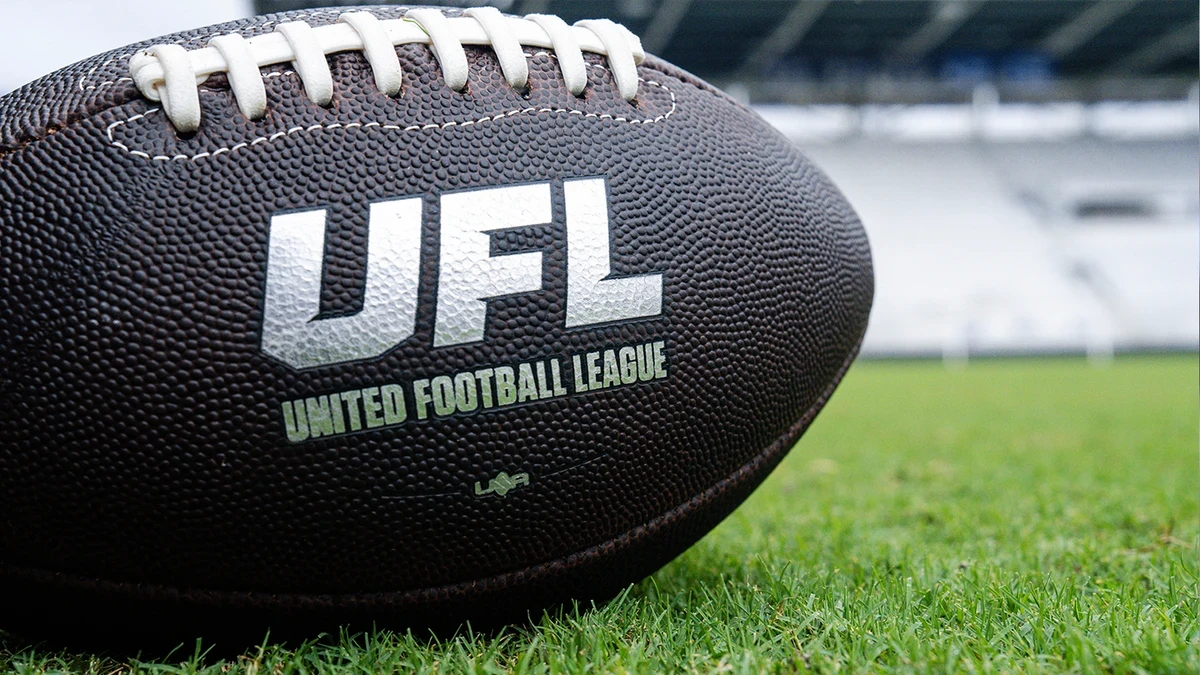
The United Football League walked into 2026 with three new franchises on its map, a restructured front office in New York, and the loudest set of fan-side expectations the spring football category has carried since the original XFL relaunch. The Columbus Aviators, Louisville Kings, and Orlando Storm replaced the Memphis Showboats, San Antonio Brahmas, and Arlington Renegades footprint in a reshuffle that took most of the offseason to finalize and that handed the league a geography it has not had since the USFL-XFL merger was first announced. Birmingham is still chasing a third championship, the DC Defenders are still selling out Audi Field, the Houston Gamblers rebranded out of the Roughnecks name and moved to Rice Stadium, and the Michigan Panthers and St. Louis Battlehawks are still the two franchises that arguably outgrew their broadcast windows in 2025. The 2026 season is the first one where the merger-era branding actually has to deliver.
What makes this year different from the two before it is that the league is no longer running on the inertia of the two spring leagues that built it. Mike Repole's investment group came in late in 2025 with a plan to professionalize the operation, the players' association signed a multi-year CBA that closed off the biggest internal labor argument, and the new commentator booths at ESPN and Fox have started treating UFL Saturdays as real broadcast property rather than filler. The on-field product still has to earn the attention that follows from those decisions. Eight franchises, three brand new, a schedule that runs from late March through the championship game in mid-June, and a development pipeline that has moved more than thirty players to NFL camps since the merger: that is the field the 2026 season is being played on, and the UFL Newshub community has tracked every piece of it in real time.
Spring football fans who follow the league closely tend to keep a second tab open for the wider sports news ecosystem the UFL competes inside, especially around player props, win totals, and the weekly markets that move with every roster move and injury report. Best sports betting promotions hubs aggregate those promotional offers into a single reference desk that explains how the markets work and how the offers change week to week, which is useful context for adult readers tracking the futures side of the spring schedule. None of that changes how a Saturday at Protective Stadium or Audi Field actually feels, but it does change the questions a fan brings to Monday-morning coverage on this site and across the wider UFL beat.
Eight Franchises and the Columbus, Louisville, Orlando Reshuffle
The Memphis Showboats, San Antonio Brahmas, and Arlington Renegades footprint disappearing in a single offseason was the boldest market move the merger committee has made since the league formed. Columbus picked up the Aviators and Historic Crew Stadium, Louisville took the Kings, and Orlando got the Storm and a soccer-stadium tenancy that mirrors what the Stallions have at Protective. The three new markets share a pattern the league has been transparent about. Each city has a soccer-grade venue that fits the spring-broadcast window, a metro population large enough to support eight to ten thousand season tickets, and a sports calendar in March, April, and May that is not already crowded by an NBA contender or a Major League Baseball home opener stretch. Memphis and San Antonio both finished 2025 in the bottom three by point differential, so the reshuffle also fixed a competitive-balance question the previous season exposed. Columbus, Louisville, and Orlando each entered the 2026 draft with a clean expansion allocation and a roster that prioritized veterans in the trenches over splashy quarterback gambles.
Birmingham Stallions Still Carry the Dynasty Pressure
The Birmingham Stallions are the only franchise in the UFL family that has finished above .500 in every season since 2022, and the dynasty pressure that comes with two USFL titles and the 2024 UFL championship has not eased. Skip Holtz returned for a fifth season at the head-coaching desk, Adrian Martinez is back at quarterback after the 2025 contract extension, and the defensive front under coordinator John Chavis still leads the league in pressure rate. The Stallions opened 2026 with three wins in four games and their only loss came on the road in Houston to the rebranded Gamblers, which was the matchup most of the preseason coverage flagged as the early-season litmus test. The interesting layer underneath the record is how Birmingham has rebuilt around an explicit NFL development pipeline. Frankie Luvu, DeMarquis Gates, and Madre Harper all came through Birmingham before signing meaningful NFL deals, and the front office has leaned into that identity rather than fight it, which is why Holtz can rotate personnel more aggressively in May than any other coach in the league.
DC Defenders, Houston Gamblers, and the Top of the Standings
The DC Defenders are the closest thing the league has to an alpha rival for Birmingham. Audi Field has averaged above twenty thousand fans for every home date since 2024, the Defenders won the 2025 conference championship before losing to Birmingham in the title game, and the front office quietly retained head coach Reggie Barlow against a real NFL coordinator interview rumor in February. Jordan Taamu was on track for the league MVP conversation through five weeks of 2026 before a season-ending shoulder injury reshaped the back half of the schedule, and the Defenders have stayed inside the playoff race with a quarterback-by-committee approach built for exactly that scenario. The Houston Gamblers are the rebranding success story of the year. They dropped the Roughnecks name in October 2025, moved to Rice Stadium, hired a new head coach, and now sit at 5 and 3 with a top-five defense, second in their conference behind Birmingham and already past the win total a preseason consensus had built around them.
How the 2026 UFL Actually Looks Different From the NFL
The structural questions a casual viewer asks about the UFL almost always start by comparing it to the NFL, and the answer is more interesting than the casual version. The 10 differences between UFL and NFL on UFL Newshub walks through the rule-book details that change how a spring game actually plays out, from the four-point conversion try and the alternate onside-kick option to the in-game pace, the practice-squad allocation, and the way the schedule treats Friday-night broadcast windows on Fox. The piece is worth keeping bookmarked because the differences are not ornamental. They shape how a Birmingham third quarter feels, why a Defenders comeback in May has a higher base rate than a Sunday afternoon comeback in November, and why the Stallions' depth-chart strategy is downstream of a roster cap no NFL front office has to navigate. The 2026 rules tweaks the competition committee pushed through in January, mostly around pace of play and replay challenges, sit on top of all of that, and the article tracks every line item.
The Player Pipeline From the UFL to the NFL
The UFL has moved more than thirty players to NFL active rosters since the merger, and the trend line has accelerated through 2025 and into 2026. Jake Bates kicked his way from the Michigan Panthers to the Detroit Lions and started 2024 as a starting NFL kicker, Hakeem Butler caught his way out of the St. Louis Battlehawks into a real Saints role, and Aubrey Miller Jr. went from a Birmingham backup linebacker spot to a 53-man place in Carolina. The league's positioning is no longer that it competes with the NFL for talent; it is that the spring season is the cleanest development environment a roster bubble player can find, and NFL front offices now treat UFL film as part of their normal scouting workflow. Spring linebackers who can play special teams have become the most reliable conversion path, edge rushers in the six-foot-three range have started moving as predictably as they once did out of small-school college programs, and quarterbacks remain the hardest translation, which makes the Martinez and Taamu seasons the most-watched data points of the year.
The Broadcast Story and the Friday Night Football Experiment
The broadcast side of the league has become more important to the long-term arithmetic than most fans realize. ESPN and Fox share the UFL window across the spring calendar, the Fox Friday-night experiment that started in 2025 has been extended through 2026, and the ESPN 2026 UFL commentator lineup announcement that ESPN published in February laid out a booth that finally treats the spring product the way the network treats college football in October. Marquee voices on the early-window games, dedicated spring-football analysts on the studio shows, and a sideline reporter rotation that no longer feels like a development assignment for the broadcast graduate program. The on-air commitment matters because 2025 viewership growth came almost entirely from broadcast windows where the league had its strongest announcing teams, and the 2026 numbers through Week 8 show the same pattern intensifying. A spring game called like a real spring game is the second-most important product decision the league has made since the merger.
Why the Michigan Panthers and St. Louis Battlehawks Still Matter
The Michigan Panthers and St. Louis Battlehawks are the two franchises that should have separated from the pack in 2025 and did not, which is part of why their 2026 seasons are the most-scrutinized in either club's history. Michigan won the 2024 conference title before losing the championship game, started 2026 at 3 and 1, then thinned the secondary in mid-April to injuries; Ford Field averages have still climbed past sixteen thousand for the back-half home dates. The Battlehawks may be the most genuinely beloved franchise in the league. The Dome at America's Center has hosted crowds above thirty thousand in every season since the original XFL relaunch, A.J. McCarron returned for one more season, and the offense has finally rebuilt around a rushing attack that complements the passing game rather than masking it. The Battlehawks at home in May remains the single best atmosphere the spring league produces, and the 2026 conference race will come back through St. Louis at least twice before the championship picture clears.
Coaching Hires and the New Front-Office Shape
The post-Repole reorganization changed how the league hires its coaches, and the 2026 cycle is the first one that reflects the new structure. The expansion franchises each ran a real coaching search out of the New York office rather than out of their local markets, and the candidate slates were drawn from NFL position coaches, FBS coordinators, and the thin layer of spring-football veterans who had been waiting for a head-coaching shot since the AAF collapse. Two of the three expansion hires came out of NFL position-coach rooms, a different pattern from the 2023 and 2024 cycles when most head-coaching hires came out of FBS programs. Play-calling tempo has tightened, fourth-down decisions are made on win-probability math more than field-position tradition, and Birmingham, DC, and Michigan now each carry a dedicated analytics coordinator the expansion franchises copied from the first day of offseason hires.
What a Successful 2026 UFL Season Actually Looks Like
The internal metric the league office cares about most is not a single ratings number or attendance figure. It is the through-line a fan in Birmingham, Orlando, or Detroit follows from late March through the championship game in mid-June, and whether that fan can name the rivalry, the coach, and the quarterback for two or three teams beyond the one they support. On that measure the 2026 season has already cleared its own bar. The Birmingham-Houston Week 8 game pulled the largest non-championship audience in league history, the Defenders and Kings drew a Friday-night Fox crowd the early spring-broadcast math had not modeled, and the Columbus Aviators' home debut gave the expansion narrative a real anchor. Expansion to a tenth franchise is back on the table after the Oklahoma City announcement, and the ESPN and Fox renewals start in earnest in early 2027. What the UFL Newshub community has been right about across the last three seasons is that this league rewards patience, and the 2026 season is the first one where that patience has started to look like a strategy rather than a hope.