
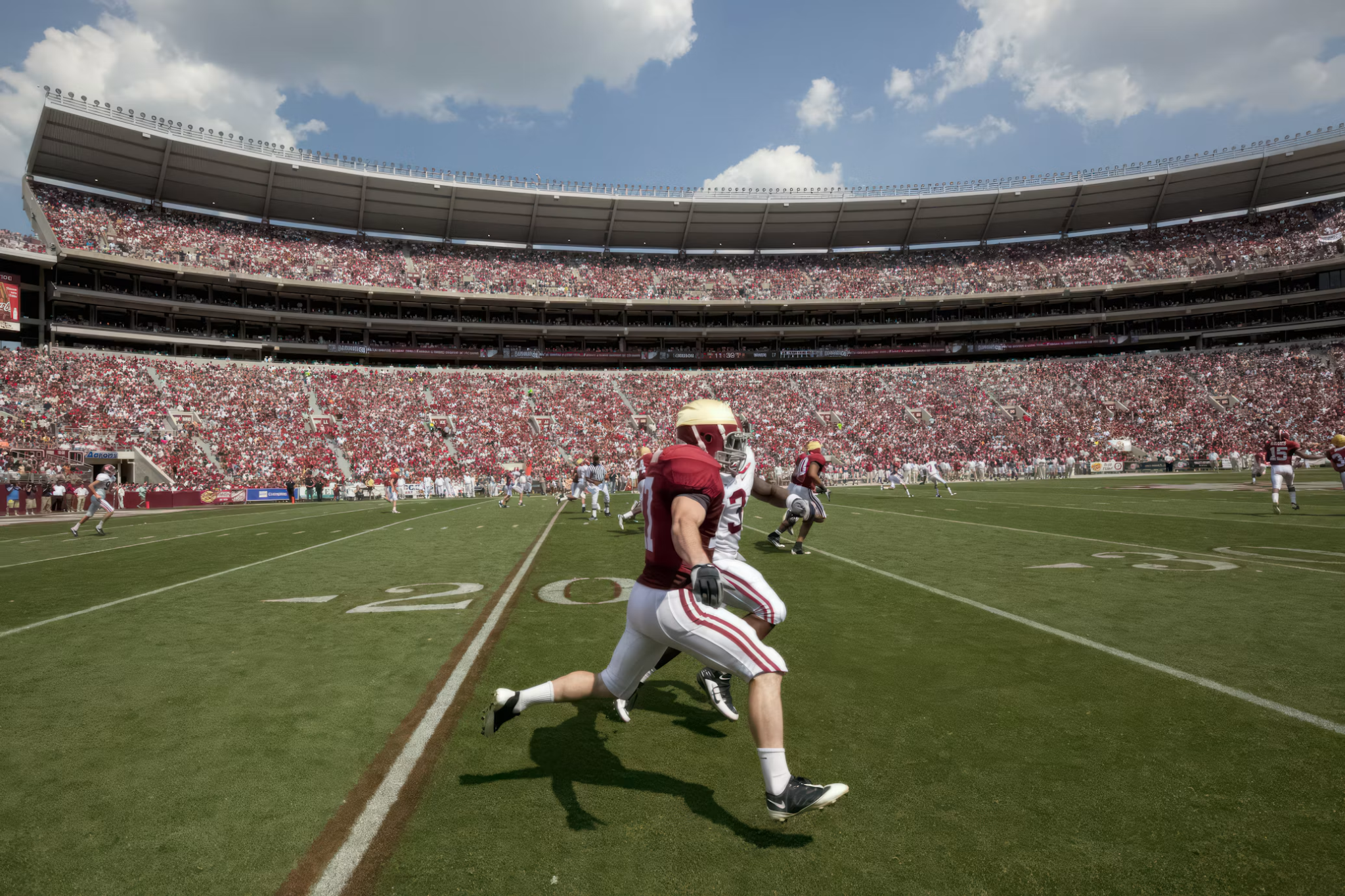
Professional American football has traditionally been associated with the NFL, but reaching its highest level remains extremely competitive. Thousands of college athletes pursue professional opportunities each year, while only a limited number secure lasting positions on NFL rosters. For talented players who remain outside the league, finding meaningful opportunities to continue developing can be difficult.
The United Football League (UFL) provides an alternative professional environment where athletes can compete, demonstrate their abilities, and remain visible to scouts. Formed through the merger of the XFL and USFL ahead of the 2024 season, the league has become part of the broader professional football landscape.
Its significance extends beyond providing additional games for fans. By offering competitive playing opportunities, the UFL creates potential career pathways for athletes, coaches, and other football professionals who might otherwise struggle to maintain a presence in the sport.
Why an Alternative Professional Football League Matters
The NFL operates with limited roster capacity, creating intense competition for available positions. Even accomplished college players can struggle to secure contracts, particularly when teams prioritize established professionals or athletes with specific positional characteristics.
The UFL offers another environment for professional competition. Its games also contribute to a wider sports media landscape in which audiences follow teams, statistics, and player performances across digital platforms. Services such as melbet exist within the separate online betting and entertainment sector, reflecting one aspect of the commercial ecosystem surrounding professional sports. The UFL's central contribution, however, lies in providing athletes with actual competitive opportunities rather than simply expanding entertainment choices.
The league can serve different professional needs.
Participant | Opportunity within the UFL | Potential career benefit |
|---|---|---|
Undrafted college players | Professional game experience | Demonstrating ability beyond college |
Former NFL players | Continued competitive participation | Rebuilding visibility and maintaining readiness |
Developing quarterbacks | Live-game repetitions | Improving decision-making under pressure |
Coaches | Professional leadership experience | Strengthening coaching credentials |
Football officials | Experience in professional competitions | Developing judgment and game-management skills |
These opportunities do not guarantee advancement to the NFL. Nevertheless, they create additional ways for football professionals to demonstrate their capabilities.
Giving Undrafted Players Another Opportunity
One of the UFL's most important functions is providing opportunities for athletes who were not selected in the NFL Draft. College football includes numerous talented players whose professional prospects may be affected by injuries, limited exposure, positional competition, or inconsistent performances.
For these athletes, competitive professional games offer a different form of evaluation from individual workouts or training camps.
Scouts can observe how players respond to physical contact, execute assignments, and make decisions against experienced opponents.
Several advantages make this environment valuable:
Professional-level competition: Players face opponents with college and professional football experience.
Recorded game performance: Scouts can evaluate athletes through meaningful competitive situations.
Positional development: Players can refine techniques and responsibilities relevant to their roles.
Physical preparation: Regular training supports conditioning and professional routines.
Career visibility: Strong performances may generate interest from other professional organizations.
The opportunity is particularly meaningful for players whose college careers did not fully demonstrate their abilities.
However, success requires more than impressive statistics. NFL evaluators also consider athletic characteristics, tactical understanding, injury history, and suitability for particular systems.
The UFL can expand the evidence available to scouts, but it cannot eliminate the competitive realities of professional football.
How the UFL Helps Players Develop Under Game Pressure
Training environments are essential for developing football skills, but they cannot completely reproduce the demands of professional games. Players must react to unpredictable situations, communicate effectively, and execute assignments while facing physical and psychological pressure.
The UFL provides opportunities to practice these abilities in organized competition.
Quarterbacks, for example, benefit from reading defensive coverage, adjusting protections, and making rapid decisions while opponents attempt to disrupt offensive plays. Offensive linemen must demonstrate communication and coordination against varied defensive approaches.
Defensive players also gain experience recognizing formations, maintaining positional discipline, and responding to offensive adjustments.
Coaching staffs can use game footage to identify technical weaknesses and evaluate improvement across multiple performances.
This process is especially valuable for athletes transitioning from college systems that differ significantly from professional offensive or defensive schemes.
Repeated exposure to professional competition may improve readiness, although development remains dependent on coaching quality, individual effort, and available playing opportunities.
The Growing Commercial and Digital Ecosystem Around Spring Football
Spring football occupies a different position in the American sports calendar from the NFL's traditional season. This scheduling distinction can create opportunities for media coverage and fan engagement during periods when NFL games are not taking place.
Digital platforms influence how audiences discover teams and follow emerging players. Streaming services, social media, and sports information applications can make league developments accessible beyond local markets.
The broader sports entertainment industry also includes promotional services and betting-related websites. Arabic-language searches for (Arabic: رمز ترويجي لـ Melbet) illustrate how promotional offers form part of the international online wagering market. These activities are distinct from the UFL's player development mission and are subject to applicable gambling laws and consumer protections. For the league itself, sustainable growth depends more directly on competitive quality, broadcasting arrangements, sponsorship, and meaningful relationships with supporters.
Several factors influence the development of a professional spring football competition.
Growth factor | Importance to the league | Potential challenge |
|---|---|---|
Broadcasting coverage | Expands audience access | Maintaining consistent viewership |
Competitive quality | Encourages repeat engagement | Retaining talented players |
Team identity | Builds local connections | Establishing lasting fan loyalty |
Financial management | Supports operational continuity | Controlling costs and generating revenue |
Player advancement | Strengthens the league's professional reputation | Balancing development with roster stability |
These considerations demonstrate why the success of an alternative league cannot be measured solely by individual players reaching the NFL.
Long-term viability also requires a sustainable competition that audiences and commercial partners consider worth supporting.

Opportunities for Coaches and Football Professionals
The UFL's influence extends beyond athletes. Professional football depends on coaches, analysts, athletic trainers, equipment personnel, and officials whose expertise develops through practical experience.
Coaches working in alternative leagues can gain responsibility for game planning, player development, and tactical adjustments. These opportunities may be particularly valuable for professionals seeking greater leadership experience.
The league can also provide a setting for evaluating different coaching approaches.
Several professional benefits are possible:
Coaching experience: Coordinators and position coaches can demonstrate their abilities in competitive situations.
Talent evaluation: Scouts gain additional opportunities to assess professional-level performance.
Sports medicine practice: Medical and performance staff work within demanding athletic environments.
Operational development: Team personnel gain experience managing professional football organizations.
Officiating experience: Officials can refine communication and decision-making during competitive games.
Career progression varies across these professions, and UFL experience does not automatically lead to employment elsewhere.
Nevertheless, additional professional opportunities can help expand the pool of experienced people working throughout American football.
What the UFL Means for the Future of American Football
The United Football League represents an effort to create a more extensive professional football landscape in the United States. By offering organized competition outside the NFL, it provides another route for players seeking to establish or continue professional careers.
Its long-term contribution will depend on several interconnected factors, including financial stability, competitive standards, effective coaching, and the ability to attract audiences.
The league's value should not be judged exclusively by how many athletes eventually sign NFL contracts. Players who build professional careers within the UFL also contribute to its competitive quality and legitimacy.
For emerging athletes, the existence of another professional competition can make the transition from college football less dependent on a single draft or training camp opportunity.
At the same time, the UFL faces challenges familiar to previous alternative football leagues. Maintaining sustainable operations and consistent fan interest is essential if professional opportunities are to remain available over time.
A stable UFL could strengthen the broader football ecosystem by providing additional competition, professional experience, and opportunities for talented individuals whose careers develop at different speeds.
Ultimately, the league's most important contribution is the possibility of a more flexible route into professional football. Rather than treating an unsuccessful first attempt at reaching the NFL as the end of an athlete's ambitions, the UFL offers another competitive environment in which ability, preparation, and continued development can be demonstrated.