
Meta Title: How the UFL Helps Undrafted Players Build Professional Football Careers
Meta Description: Discover how the United Football League gives undrafted players opportunities to develop their skills, gain professional experience, and pursue NFL careers.
How the UFL Is Helping Undrafted Players Build Professional Football Careers
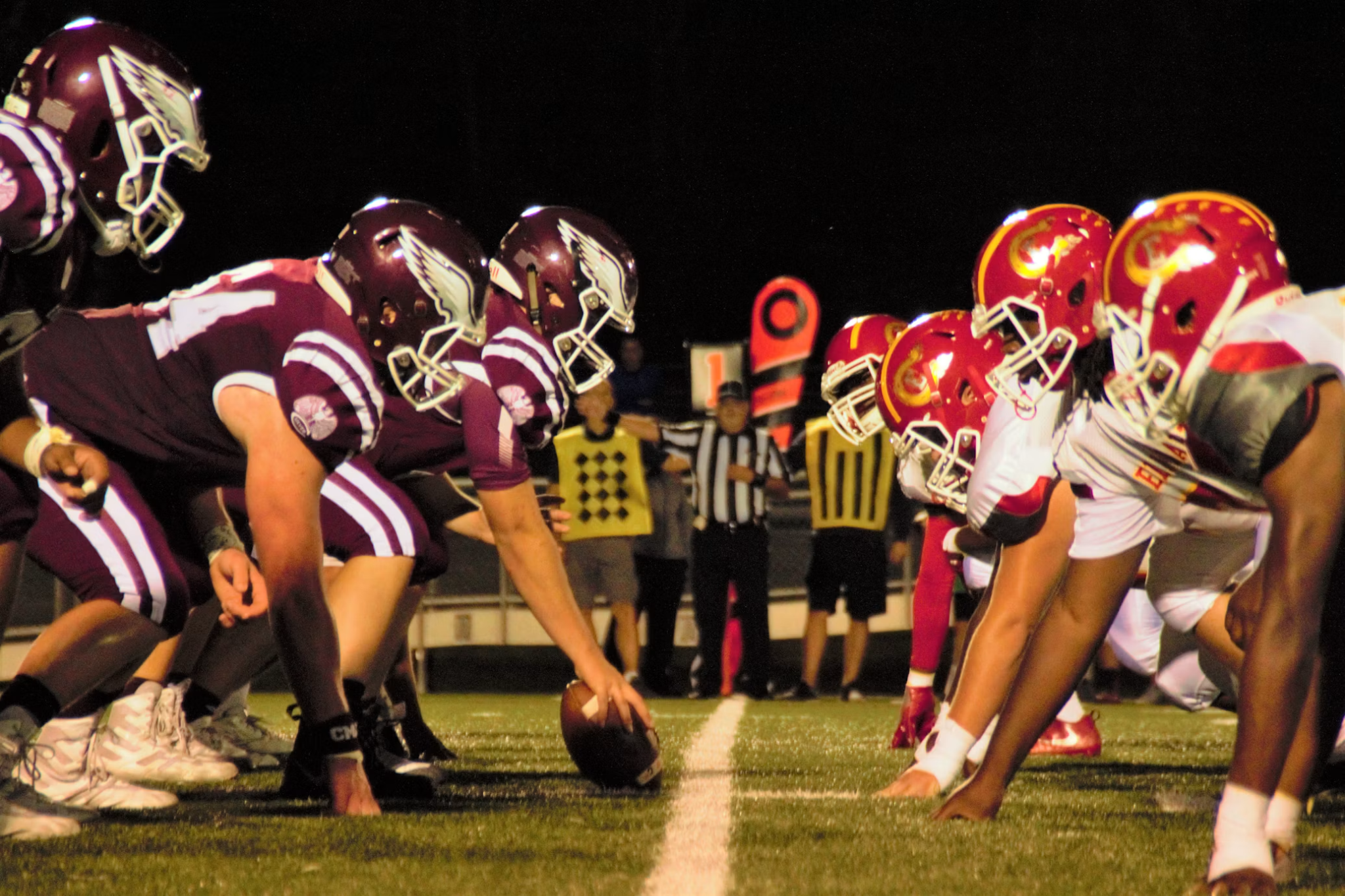
For many aspiring American football players, the NFL Draft represents one of the most important milestones in their athletic careers. However, hundreds of talented college athletes complete their eligibility without hearing their names called. Although some sign contracts as undrafted free agents, others struggle to find opportunities to demonstrate their abilities at the professional level.
The United Football League (UFL) provides an alternative pathway for players seeking to continue their careers. By offering competitive professional games, structured training environments, and exposure to experienced coaches, the league gives athletes another opportunity to prove that they belong in professional football.
The UFL also serves a broader purpose within the American football ecosystem. It creates opportunities for players whose development may require additional time, while allowing NFL organizations to evaluate talent under competitive conditions. For undrafted athletes, this environment can transform an uncertain future into a realistic opportunity for professional advancement.
Why Undrafted Players Need Alternative Professional Pathways
The NFL Draft includes a limited number of selections, leaving many college players without immediate access to established professional opportunities. Being undrafted does not necessarily indicate a lack of talent. Injuries, positional competition, limited scouting exposure, and inconsistent college performance can all influence a player's draft prospects.
Some athletes sign with NFL teams as undrafted free agents, but competition for roster positions remains intense. Others need additional playing time to develop their technique, physical conditioning, and understanding of professional systems.
Football fans increasingly follow these career journeys through digital sports platforms, social media, and specialized news websites. The broader online entertainment market also includes gambling-related services such as Grandpasha bet, although such platforms involve financial risks and are separate from the professional scouting processes used to evaluate players.
Career Pathway | Main Opportunity | Primary Challenge |
|---|---|---|
NFL Draft | Direct entry through selection | Limited draft positions |
Undrafted free agency | NFL training camp opportunity | Intense roster competition |
UFL participation | Professional playing experience | Limited roster availability |
International football | Alternative professional competition | Differences in league standards |
Coaching or development roles | Continued involvement in football | Transition away from playing |
The UFL is particularly valuable because it allows players to demonstrate their abilities in actual professional games rather than relying exclusively on college performances.
How UFL Competition Creates Valuable Exposure
One of the greatest challenges facing undrafted players is the lack of opportunities to produce recent professional game footage. NFL scouts need reliable evidence of how athletes perform against experienced competition, particularly when evaluating players who have been overlooked or released.
The UFL provides a structured environment in which players can demonstrate their abilities through regular competition. Quarterbacks can showcase decision-making, offensive linemen can prove their blocking technique, and defensive players can display tackling, coverage, and positional awareness.
The league also operates within an entertainment industry increasingly influenced by digital engagement. Online gaming products such as Sweet bonanza represent a separate chance-based entertainment category involving financial risks. By contrast, the UFL's value for aspiring professionals comes from measurable athletic performance, consistent preparation, and opportunities to compete against skilled opponents.
Several aspects of UFL competition can support player evaluation:
- Regular game situations that produce current performance footage.
- Opportunities to compete against experienced professional athletes.
- Exposure to different offensive and defensive strategies.
- Coaching feedback based on competitive performance.
- Greater visibility among professional football scouts.
This combination makes the league a potentially valuable stepping stone for athletes seeking another opportunity at the highest level.
Developing Skills in a Professional Football Environment
The transition from college football to professional competition involves significant adjustments. Players must adapt to faster decision-making, more sophisticated tactical systems, and opponents with greater experience.
The UFL provides an environment where athletes can refine their skills while working within professional team structures. Practices, film sessions, strength training, and game preparation contribute to the development of habits required at higher competitive levels.
Development Area | UFL Experience | Potential NFL Benefit |
|---|---|---|
Tactical understanding | Professional playbooks | Faster system adaptation |
Physical conditioning | Competitive training schedules | Improved readiness |
Film analysis | Detailed performance review | Better decision-making |
Position-specific skills | Specialized coaching | Technical improvement |
Game experience | Live professional competition | Greater confidence |
Development is not automatic, however. Players must respond effectively to coaching and demonstrate consistent improvement throughout their time in the league.
Why NFL Teams Pay Attention to Spring Football
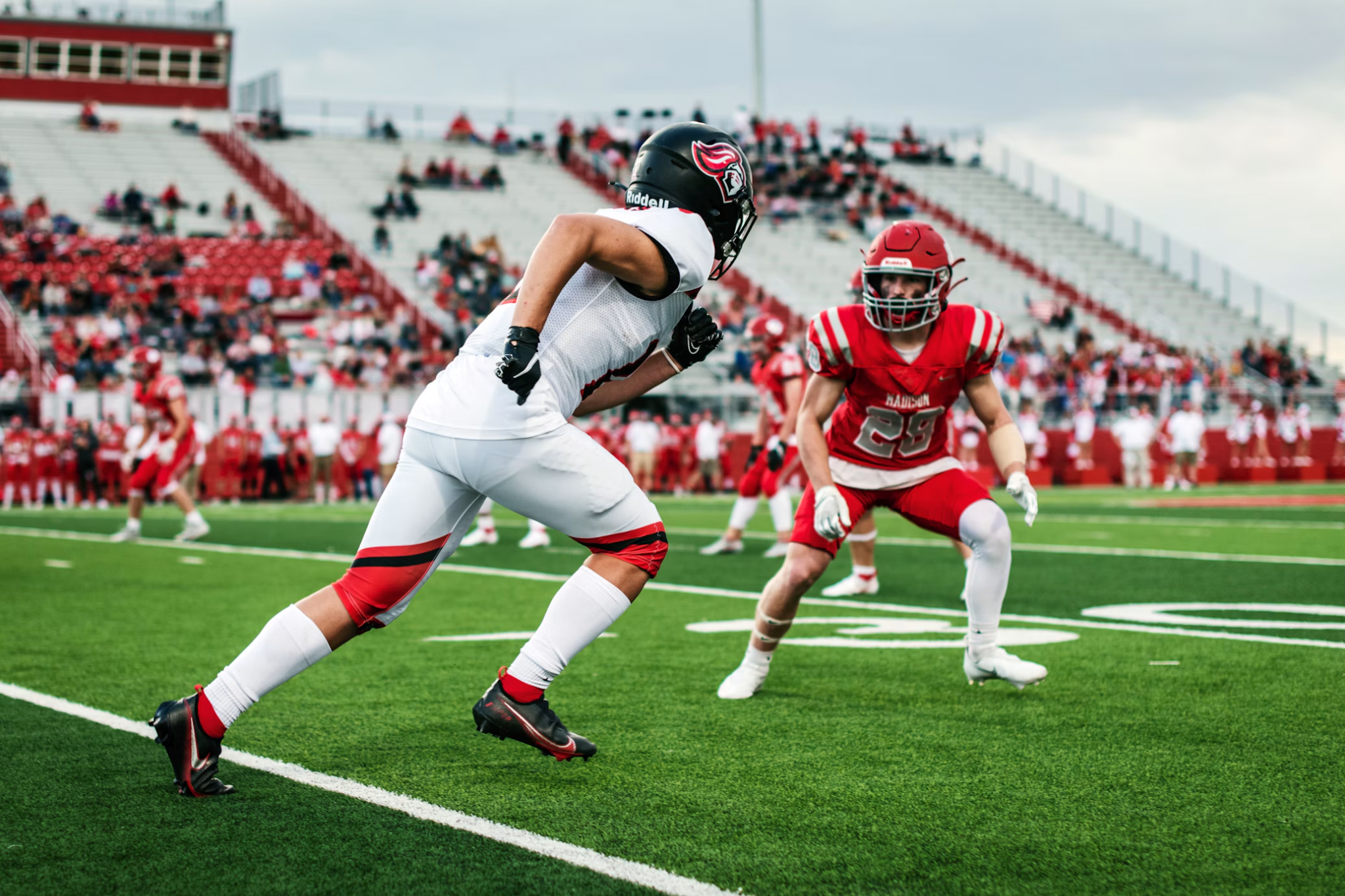
Spring football provides NFL organizations with an additional opportunity to evaluate players outside the traditional college scouting calendar. While the level and structure of competition differ from the NFL, UFL games can reveal useful information about an athlete's readiness.
Scouts may examine how a player performs in unfamiliar situations, responds to mistakes, and executes assignments against experienced opponents.
For certain positions, recent professional game footage can be especially informative. Offensive linemen, defensive backs, and pass rushers may benefit from opportunities to demonstrate techniques that are difficult to assess fully through isolated workouts.
NFL teams generally consider several factors when evaluating potential additions:
- Consistency across multiple games rather than isolated highlights.
- Physical attributes relevant to the player's position.
- Ability to execute assignments within a professional system.
- Versatility and potential contributions on special teams.
- Medical history, durability, and overall readiness.
Strong UFL performances do not guarantee an NFL contract, but they can provide evidence that supports further evaluation.
Examples of Players Who Benefited From Alternative Leagues
Alternative professional football leagues have helped several athletes attract renewed NFL interest. Their experiences demonstrate how additional playing opportunities can influence career development.
KaVontae Turpin, who played in the USFL before joining the Dallas Cowboys, became a notable example of a player using spring football exposure to strengthen his professional prospects. His success as a return specialist demonstrated how a distinctive skill set could create opportunities at the NFL level.
Brandon Aubrey followed a different route. After playing professional soccer, he developed as a kicker in the USFL before earning an opportunity with the Dallas Cowboys. His transition illustrated how alternative leagues can support athletes with unconventional career paths.
Although these examples predate the UFL's formation through the merger of the USFL and XFL, they demonstrate the potential value of the spring football development pathway that the UFL now represents.
Player | Alternative League Background | Career Significance |
|---|---|---|
KaVontae Turpin | USFL | Earned an NFL opportunity as a return specialist |
Brandon Aubrey | USFL | Transitioned into an NFL kicking career |
P. J. Walker | XFL | Gained renewed NFL opportunities |
Donald Parham Jr. | XFL | Strengthened his professional profile as a tight end |
These cases also highlight an important limitation: successful transitions attract attention, but many players who participate in alternative leagues do not ultimately secure long-term NFL careers.
The Importance of Coaching and Mentorship
Professional development requires more than playing time. Coaching quality, individualized feedback, and mentorship can influence how effectively athletes improve.
Experienced coaches help players identify technical weaknesses, understand complex systems, and prepare for the expectations of professional football.
For undrafted athletes, this guidance can be particularly valuable because they may have received limited individual attention during the NFL evaluation process.
Coaching can support development in several ways:
- Improving positional technique through targeted drills.
- Strengthening preparation and film-study habits.
- Developing communication within team systems.
- Building resilience after mistakes or unsuccessful performances.
- Preparing athletes for professional tryouts and interviews.
The ability to accept feedback and make adjustments is often an important characteristic of players seeking to extend their careers.
Financial and Career Challenges Facing UFL Players
Although the UFL provides professional opportunities, its financial environment differs significantly from the NFL. Players must consider contract terms, seasonal employment, health risks, and the uncertainty of future opportunities.
A successful season may attract attention from NFL organizations, but an athlete could still face competition for training camp positions without receiving a guaranteed long-term contract.
The physical demands of professional football also introduce injury risks. Players must balance the benefits of additional exposure against the possibility that an injury could interrupt their development.
Career planning therefore remains essential. Athletes may pursue education, coaching qualifications, business opportunities, or other professional interests alongside their football ambitions.
The UFL can provide a valuable platform, but it should not be viewed as a guaranteed route to financial security or permanent NFL employment.
How the UFL Strengthens the Wider Football Ecosystem
Beyond individual career development, the UFL contributes to the broader professional football landscape by creating additional opportunities for athletes, coaches, officials, and support staff.
Its existence allows more players to remain involved in competitive football after college, potentially expanding the pool of experienced athletes available to professional organizations.
The league also gives supporters access to football outside the traditional NFL season. This can help maintain interest in the sport while providing additional visibility for players who might otherwise receive limited media coverage.
From a developmental perspective, the UFL represents a complementary part of the football ecosystem rather than a direct replacement for the NFL or college football.
The Future of Undrafted Player Development
The long-term value of the UFL will depend on its ability to maintain competitive standards, provide stable opportunities, and establish productive relationships within the professional football industry.
Improved performance analysis, video technology, and individualized training methods may help players demonstrate their abilities more effectively. Teams can use these tools to identify areas for improvement and track development over time.
However, technology cannot replace consistent performance under competitive pressure. Players must continue to demonstrate discipline, adaptability, and the ability to contribute within a team environment.
For undrafted athletes, the UFL offers something especially important: another opportunity to compete when traditional routes have become uncertain.
The league provides a professional setting where players can improve their skills, build current game footage, and potentially attract NFL interest. Although success is never guaranteed, the availability of an additional competitive pathway can make a meaningful difference in an athlete's career.
As professional football continues to evolve, leagues that support overlooked talent may become increasingly important. By giving undrafted players opportunities to demonstrate their abilities, the UFL helps ensure that missing out on the NFL Draft does not necessarily mean the end of a professional football dream.