Sources: Columbus Dispatch, ESPN, USA Today, and Sportico interviews
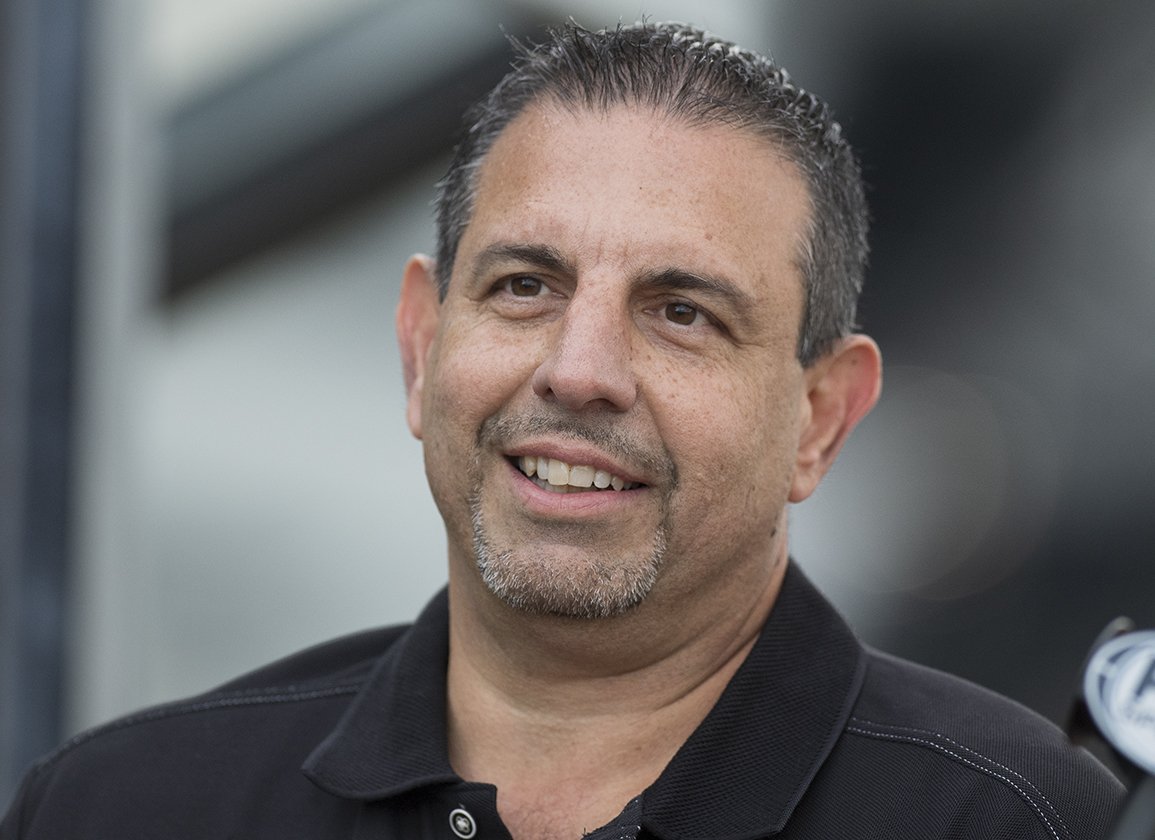
Mike Repole sat down with multiple outlets after announcing the UFL's three new teams for 2026, and he didn't hold back. The co-owner laid out plans for a regional player rights system that would funnel college stars to their local UFL teams, explained why players who stick around for five years should probably find a new career, and revealed the league is planning to hit 16 teams by the mid-2030s.
He also compared building the UFL to the decade it took him to turn Vitamin Water and BodyArmor into billion-dollar brands.
Regional Player Rights System
Repole wants Ohio State fans to watch former Buckeyes who didn't make the NFL. That's the whole point.
Columbus Dispatch: "Repole said another reason the UFL decided to have a team in Columbus is its proximity to Ohio State and other college football programs in the Ohio area. The owner hopes to recruit former Ohio State football players and coaches to join the Aviators."
"To help attract former Buckeyes as well as alumni from other Ohio schools, the UFL is initiating a regional player rights rule, which will give teams priority to sign players from schools within a certain radius."
"It's almost like everyone is a free agent in our league, very similar to what's happening in college football. … Having (the fans) familiar with players who are the stars at Ohio State but didn't make the NFL or are still trying … that's going to be a big part of our strategy going forward."
"While specific details for the new UFL rule are not finalized, Repole hopes to have a more concrete strategy in December or January."
USA Today: "Repole is also hoping the three new markets – and the UFL in general – can capitalize on attracting talent that played collegiately in each market to energize each fan base."
"Could that involve assigning players with local market ties to teams throughout the league? Repole described a "regional priority" system during which teams might have a right of first refusal for players who played collegiately within a certain radius of each market."
"If there's a player that played for Ohio State, you can bet that they're going to be playing on the Columbus Aviators."
"Such a system has not yet been established but seems likely to be a part of the UFL's future."
The system isn't finalized yet, but Repole made it clear this is happening. Teams get first dibs on players from nearby colleges. It's a way to create instant name recognition instead of asking fans to care about random players they've never heard of.
League Expansion Plans
Two new teams every two years. That's the plan.
Columbus Dispatch: "Expansion for the league is not done, Repole said. He hopes to add two new teams every two years. For now, however, the league's work is focused getting ready for the 2026 season."
ESPN: "Repole believes the league can sell out stadiums in smaller venues, and he hopes to double the size of the league to 16 teams by the mid-2030s."
Sportico: "Repole, who recently started overseeing business operations for the Arlington, Texas-based league, said it "hurt" to inform the three markets that their teams were being relocated—especially the Panthers, since they were one of the original eight teams included in the launch of the rebooted USFL. But Repole didn't close the door on the Panthers returning as the league plans to add two teams in 2028."
Repole admitted it hurt to cut Michigan, Memphis, and San Antonio. But he left the door open for Michigan to come back in 2028 when the league adds two more teams. The goal is 16 teams total by the mid-2030s, which would double the current eight-team setup.
Hub Model and Player Engagement
All eight teams still practice in Dallas during the week, but that's changing a bit.
ESPN: "League headquarters will remain near Arlington's Globe Life Park, the stadium the Renegades are leaving, and the hub model of all eight teams practicing in the Dallas area during the week won't change. However, Repole says some players will spend more time in their host cities to try to boost fan engagement."
The hub model saves money by keeping everyone in one place during the week. But Repole knows players need to actually be in their cities to build relationships with fans. Expect to see more player appearances in Columbus, Louisville, and Orlando even though practice stays in Texas.
UFL as NFL Developmental League
Repole was blunt about what the UFL is and what it isn't.
ESPN: "He said he is all-in on the UFL as a developmental arm of the NFL, though there is no formal developmental link between the two. But Repole said he doesn't think there needs to be."
"If they have the drive and the passion and they want to make the NFL, and that's their dream, then we want to help them. But if they're looking for, 'Hey, where's my next check, or am I going to play next year?' then this is probably not the league for you. And if you're in this league four or five years, you probably shouldn't be here. You should probably go into coaching or do something else."
This is a developmental league whether the NFL officially calls it that or not. Repole wants players who are trying to get to the NFL, not guys looking for a long-term paycheck. If you're still in the UFL after five years, he thinks you should transition to coaching or something else. That's about as direct as it gets.
Long-Term Brand Building Strategy
Repole built billion-dollar beverage brands. Now he's applying the same timeline to football.
Sportico: "You have to be aggressive, but it's not going to be built overnight. Both Vitamin Water and BodyArmour were billion-dollar brands, but it took 10 years each to get them to that level. I feel the same way here and my partners do too."
Vitamin Water took 10 years to become a billion-dollar brand. BodyArmor took 10 years. Repole is planning the same timeline for the UFL, which means the ownership group is prepared to invest and wait for returns rather than expecting immediate profits.
NoBull Apparel Partnership
Repole teased a partnership between the UFL and his athletics company.
Sportico: "Repole also teased that his athletics company NoBull will be an apparel partner for the league."
Repole owns NoBull, an athletics apparel company, and revealed it will partner with the UFL on league gear. This gives the UFL an apparel deal while keeping the money within the ownership group. Does this mean Under Armor is out?
Team Naming - Louisville Kings
The Louisville name connects to Repole's horse racing background.
USA Today: "Meanwhile, Repole – who is the owner of Repole Stables, a a horse-racing operation that has produced multiple Breeders' Cup and Belmont Stakes winners – wanted Louisville's name to pay tribute to the city's storied tradition of horse racing."
"The Stallions was taken for the state of Kentucky, so I went with Kings. Horse racing is known as the sport of Kings, little connection there."
Repole owns a major horse racing stable, so he wanted Louisville's name to reflect the city's Kentucky Derby connection. Birmingham already took "Stallions," so he went with "Kings" as a reference to horse racing being called the sport of kings.
Summary
Repole gave reporters a clear picture of where the UFL is headed. The regional player rights system will funnel local college stars to their hometown teams, starting with details expected in December or January. The league is adding two teams every two years with a goal of 16 teams by the mid-2030s.
Michigan could return in 2028. Players are expected to use the league as a stepping stone to the NFL and move on within five years.
The Dallas practice hub stays in place, but players will spend more time in their home cities. And Repole is taking the long view, planning a 10-year brand build just like he did with Vitamin Water and BodyArmor. NoBull will be the league's apparel partner.