
The UFL opened its 2026 season over the weekend, and attendance across all four Week 1 games totaled 65,222 fans. That figure averages out to 16,305 per game — a jump from the 8,466 average in Week 1 of 2025 and the 11,480 average from Week 1 in 2024.
The numbers look good on paper. But dig into the city-by-city breakdown and the story gets more complicated.
St. Louis Remains the UFL's Top Draw
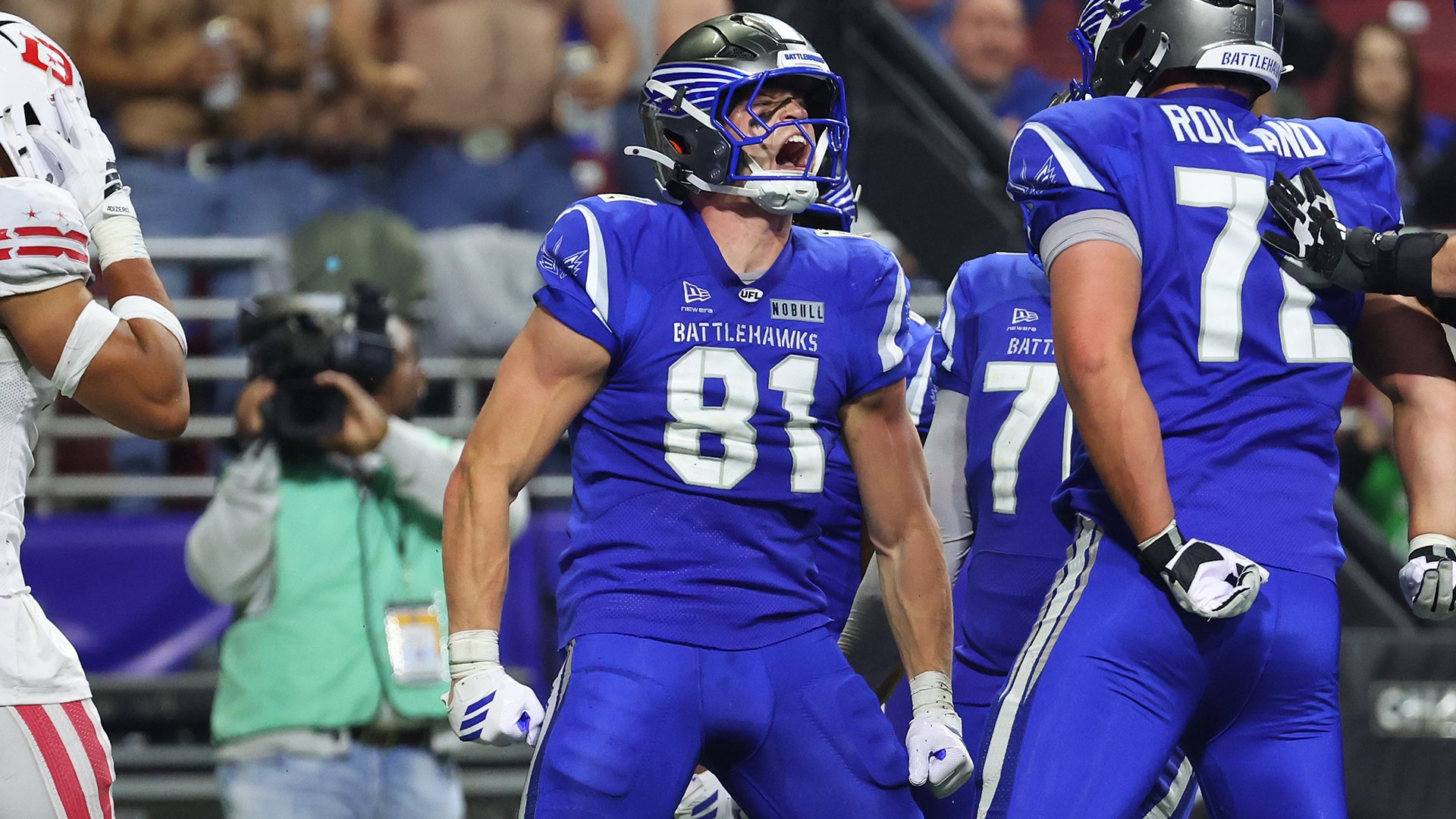
The Battlehawks drew 31,191 fans to The Dome at America's Center on Saturday for their matchup against the D.C. Defenders. St. Louis won 16-10.
That number is in line with what St. Louis has done since the Battlehawks first took the field in the XFL back in 2020. Last season, the team posted 32,115 for their home opener and averaged 29,500 for the full year. The D.C. Defenders, by comparison, averaged 13,000 — the second-highest mark in the league.
St. Louis accounts for a large portion of the UFL's total attendance every season, and 2026 is tracking the same way. The city lost the Rams more than a decade ago. What followed was not just resentment toward the NFL but a fan base that showed up and stayed.
As Battlehawks head coach Rickey Proehl said ahead of the opener: "It's a huge game — opening day against the defending champs. I'd be lying if I'm not sitting here saying that I want to get off to a great start."
Louisville Fills Lynn Family Stadium in Its Debut
The Louisville Kings, one of three new franchises in 2026, hosted Birmingham in the league's Friday night season opener. The Kings drew 14,034 to Lynn Family Stadium, which has a capacity of 15,304. Head coach Chris Redman, a Louisville native, took a moment after the coin toss to thank the crowd for turning out.
Birmingham won 15-13, but the atmosphere was the bigger takeaway. The halftime did produce an incident — fans and Birmingham Stallions players were involved in a drink-throwing confrontation, and Stallions receiver Justyn Ross had to be restrained twice.
UFL co-owner Mike Repole had hoped to announce the Louisville game as the league's first sellout. He joked ahead of the season in an ESPN interview: "Just do me a favor. Don't tell anyone that a sellout there is 14,800 fans." Louisville came close to hitting that number.
Dallas Posts the Lowest Number at 8,870
On Saturday, the Dallas Renegades hosted the Houston Gamblers at Toyota Stadium in Frisco, Texas. Dallas won 36-17, but only 8,870 fans were there to see it.
Toyota Stadium holds about 11,000. The UFL moved the Renegades into the smaller venue this season as part of a league-wide shift away from larger stadiums. In previous years, teams played in college venues with capacities between 40,000 and 65,000, and the empty seats made attendance problems worse on TV.
Even with the downsized venue, Dallas accounted for the lowest Week 1 figure in the league. The market has two NFL teams — the Cowboys and the Texans — and adding a spring football option has been a tough sell. Houston has faced similar issues in previous years, with home crowds dipping below 7,000 at points.
Orlando Draws Over 11,000 for Expansion Debut
The Orlando Storm hosted the Columbus Aviators on Sunday night at Inter&Co Stadium to close out Week 1. Orlando won 23-16. More than 11,000 fans attended.
Both teams are new for 2026. The Storm replaced the San Antonio Brahmas, while the Aviators took over for the Michigan Panthers. Inter&Co Stadium has a capacity of 25,500 — one of the larger venues in the league this season — so the building was less than half full.
Repole, who lives in Orlando, was at the game. DJ Khaled performed at halftime.
The Smaller Venue Strategy Is Working — to a Point
Repole made the venue change a priority when he joined the UFL ownership group last summer. He reviewed the league's first two seasons and did not like what he saw.
"You can't play in a 65,000-seat stadium," Repole told Yahoo Sports. "You get 15,000 in that stadium and it's empty. It just doesn't look right, it doesn't feel right, and it doesn't show right."
He has compared his target atmosphere to arena football played outdoors. His stated goal is a league-wide average of 10,000 to 15,000 fans per game. Week 1's average of 16,305 exceeded that mark, though St. Louis's 31,191 did a lot of heavy lifting in that number. Remove St. Louis, and the other three games averaged 11,344.
Six of the league's eight home stadiums now have capacities under 25,000. The idea is that full-looking stands translate to better energy, better television visuals, and a product that looks like it belongs.
Week 1 Attendance at a Glance
Game | Venue | Attendance | Result |
|---|---|---|---|
D.C. Defenders at St. Louis Battlehawks | The Dome at America's Center | 31,191 | STL 16, DC 10 |
Birmingham Stallions at Louisville Kings | Lynn Family Stadium | 14,034 | BIR 15, LOU 13 |
Houston Gamblers at Dallas Renegades | Toyota Stadium | 8,870 | DAL 36, HOU 17 |
Columbus Aviators at Orlando Storm | Inter&Co Stadium | 11,127 | ORL 23, CLB 16 |
Total / Average | 65,222 / 16,305 |
Year-Over-Year Week 1 Comparison
Season | Week 1 Total | Average Per Game | Lowest Game |
|---|---|---|---|
2024 | 45,918 | 11,480 | Houston (9,157) |
2025 | 33,865 | 8,466 | Memphis (4,373) |
2026 | 65,222 | 16,305 | Dallas (8,870) |
Note: St. Louis, the league's highest-drawing market, had a home game in Week 1 of both 2024 and 2026 but not in 2025. That partly explains the drop in the 2025 total. The Battlehawks played at Houston in the 2025 opener.
What Comes Next
The UFL now has two proven markets (St. Louis, and Louisville based on one game), two new markets still building their fan bases (Orlando and Columbus), and two Texas markets that continue to lag behind. Birmingham and D.C. played road games in Week 1, so their home numbers will add more data in the weeks ahead.
Repole has said he wants 16 teams by 2035, and the league has discussed expansion beginning as early as 2028. But the attendance gap between the top and bottom of the league suggests the UFL still has work to do in its existing cities before adding new ones.
Week 2 begins on Friday, April 4.